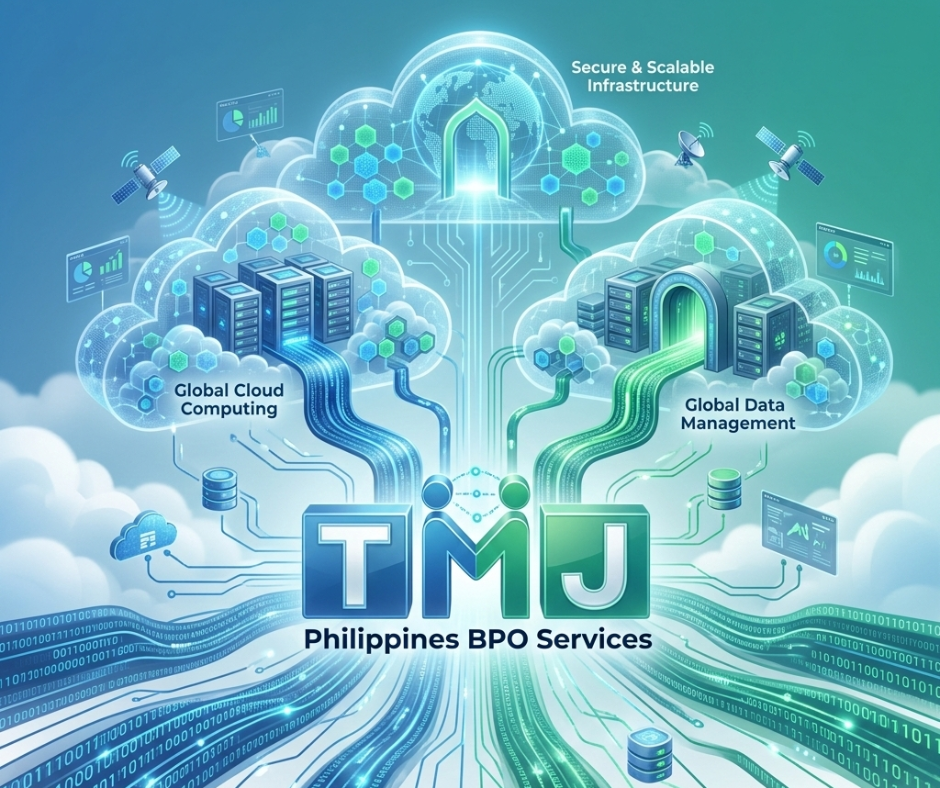
With everyone relying a lot on information from the internet, digital infrastructure has evolved from a competitive advantage to a fundamental requirement for business continuity. While the IT and BPO sectors have long been the early adopters of these technologies, evidence shows that small and medium-sized enterprises (SMEs) stand to benefit most in relative growth and risk reduction through digital transformation and AI adoption. Although they often begin with lower digital maturity compared to large corporations, SMEs that embrace AI, data analytics, and digital tools can achieve more than 20% gains in marketing and sales productivity and up to 30% cost savings.
For SMEs, “Smart Digital Infrastructure” is not merely about having an online presence. It is about utilizing a technical ecosystem, anchored by a professionally built website, to ensure long-term resilience.
The Digital Necessity: By the Numbers
The misconception that SMEs do not require robust digital tools is debunked by current market trends. Research indicates that approximately 70-80% of consumers research a company online before visiting it in person or making a purchase. Furthermore:
- Market Reach: Businesses with an active, optimized website see an average of 15-50% higher growth rates compared to those relying solely on traditional or offline methods.
- Consumer Trust: A compilation on Forbes revealed that 88% of consumers are less likely to return to a site after a bad user experience (UX), highlighting the technical necessity of professional web development over “DIY” templates.
- Investor Readiness: Digital maturity is now a primary metric for Venture Capitalists. Firms that demonstrate high digital integration are often valued 20% to over 60% higher than their digitally lagging counterparts.
Technical Advantages of Professional Infrastructure
1. Data Analytics and Business Intelligence
A professionally built website serves as a primary data ingestion point. Unlike social media platforms that provide limited insights, a self-owned website integrated with tools like Google Analytics 4 (GA4) allows SMEs to track:
- User Behavior Flow: Understanding exactly where potential clients drop off in the sales funnel.
- Conversion Rate Optimization (CRO): Using A/B testing to technically refine the site for maximum ROI.
- Demographic Segmentation: Tailoring marketing spend based on verified geographical and behavioral data.
2. Search Engine Optimization (SEO) and Technical Authority
Resilience is built on being found when the market shifts. A professional website utilizes Schema Markup, optimized Meta Tags, and Core Web Vitals (loading speed, interactivity, and visual stability) to rank higher in search engine results.
- The “Zero-Click” Reality: High technical authority ensures your business appears in “featured snippets,” providing immediate answers to client queries and establishing your brand as a domain expert.
3. Real-Time Operations: Database and Inventory Integration
For businesses that deal with physical or digital products, a website is more than a brochure—it is an operational tool. By connecting a website to a relational database (RDBMS) or an Inventory Management System (IMS), SMEs gain:
- Dynamic Product Cataloging: Automatic updates ensure that what the customer sees online perfectly reflects what is in the warehouse. This eliminates “out-of-stock” purchasing errors that can damage brand reputation.
- Automated Logistics: Integration with databases allows for automated order processing, invoice generation, and real-time tracking, reducing the administrative burden on small teams.
- Investor Transparency: For potential investors, a business that can demonstrate real-time data on stock turnover and sales through its own infrastructure is a much lower risk and highly scalable asset.
4. Security and Risk Mitigation
Cybersecurity is a major component of resilience. Professional infrastructure includes SSL certificates, DDoS protection, and automated backup protocols.
- Fact: Approximately 60% of small businesses that suffer a major data breach close within six months. Professional infrastructure provides the firewall and encryption standards necessary to protect sensitive client data and maintain compliance standards.
The Infrastructure Hierarchy
To build true resilience, an SME should view its digital stack as a hierarchy:
- Core (The Website): The central hub for branding, data collection, and lead generation.
- Connectivity (APIs & Database Integrations): Syncing the frontend website with backend inventory and CRM systems.
- Optimization (SEO & Analytics): The continuous technical refinement of the user experience to ensure the business remains competitive in changing algorithms.
Scalable, Flexible Digital Solutions from TMJP
At TMJP BPO Services Inc., we recognize that digital infrastructure is the “steel frame” of a modern business. For the SME, investing in a professional, database-connected website is an investment in technical durability. It provides the data accuracy, security, and visibility required to scale effectively in an increasingly digital-first economy.